Courage is a virtue that’s highly valued across cultures – but what does it take to act courageously?
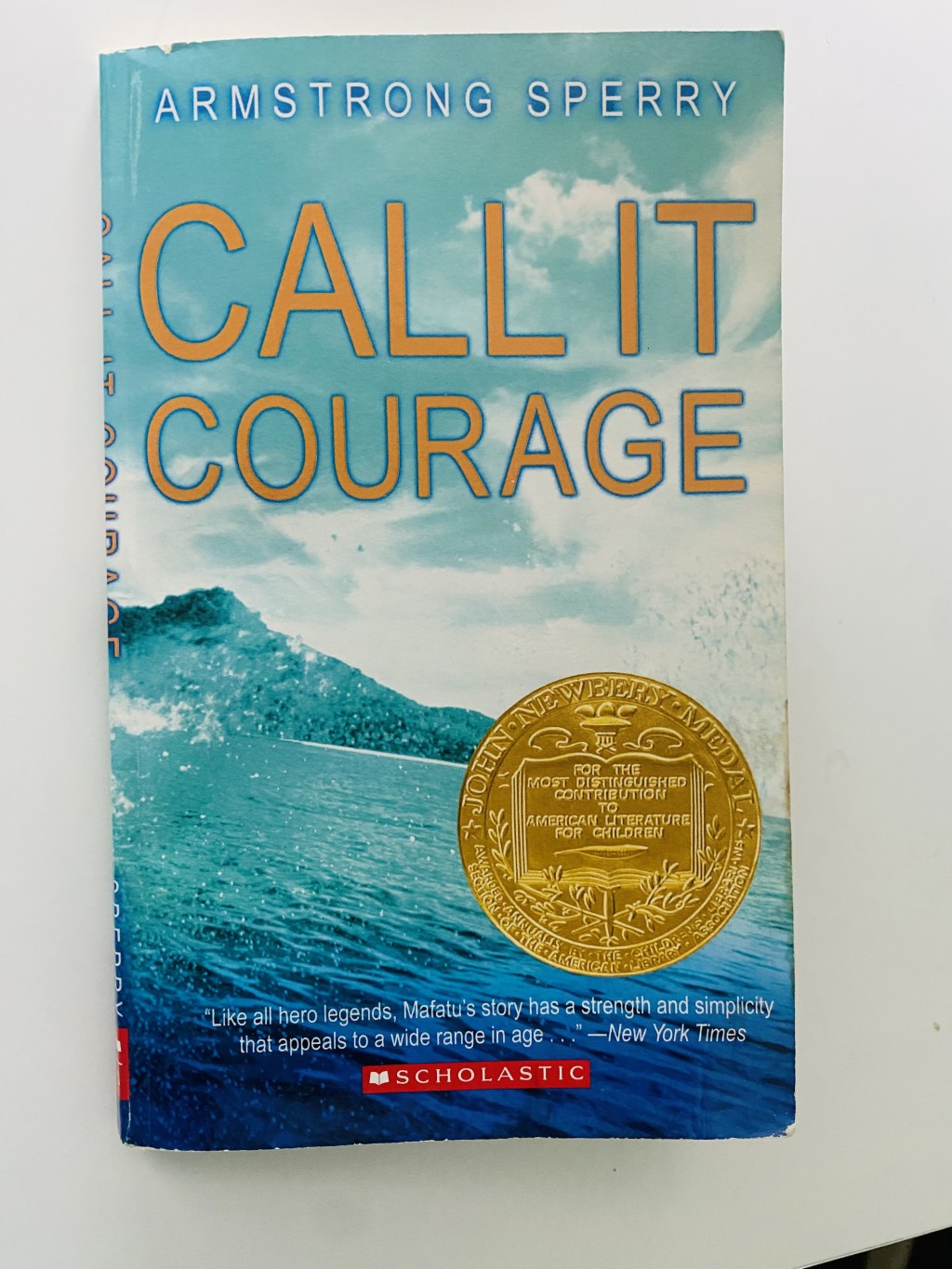
This is a question Armstrong Sperry explores as he tells the tale of Mafatu in “Call It Courage.”
“Call It Courage” is a historical fiction novella that takes place when early Polynesians ruled the island of Hikeuru.
They valued courage, and Mafatu — a young boy who lost his mother after a swift current took away their canoe — was afraid of the ocean. Thus, people called him “The Boy Who Was Afraid” and considered him a coward. After all — how could he be a ruler for his people if he hadn’t even the courage to face the ocean?
Since he was too afraid to go out and fish, his people gave him handiwork to do, like making spears and nets.
Determined to face his fear and prove his strength, Mafatu set sail into the sea and achieved great feats along the way. “Call it Courage” speaks to the importance of tapping into your inner strength to achieve your most ambitious goals.
Mafatu stepped into his inner power when he prepared his own food, clothes, canoe, adze, and other materials for his trip. He realized he was able to put his talent for handiwork to use in creating these materials.
By using his skills to create his own materials, he became self-reliant, thus increasing his self-confidence to tackle bigger goals.
What once was a dreaded task for Mafatu became a great asset he used to his advantage. This suggests that looking within for strength can help us use our current skills to benefit our futures.
In addition to supporting himself, he faced his fears head on by acknowledging his feelings and consciously choosing to act courageously despite them.
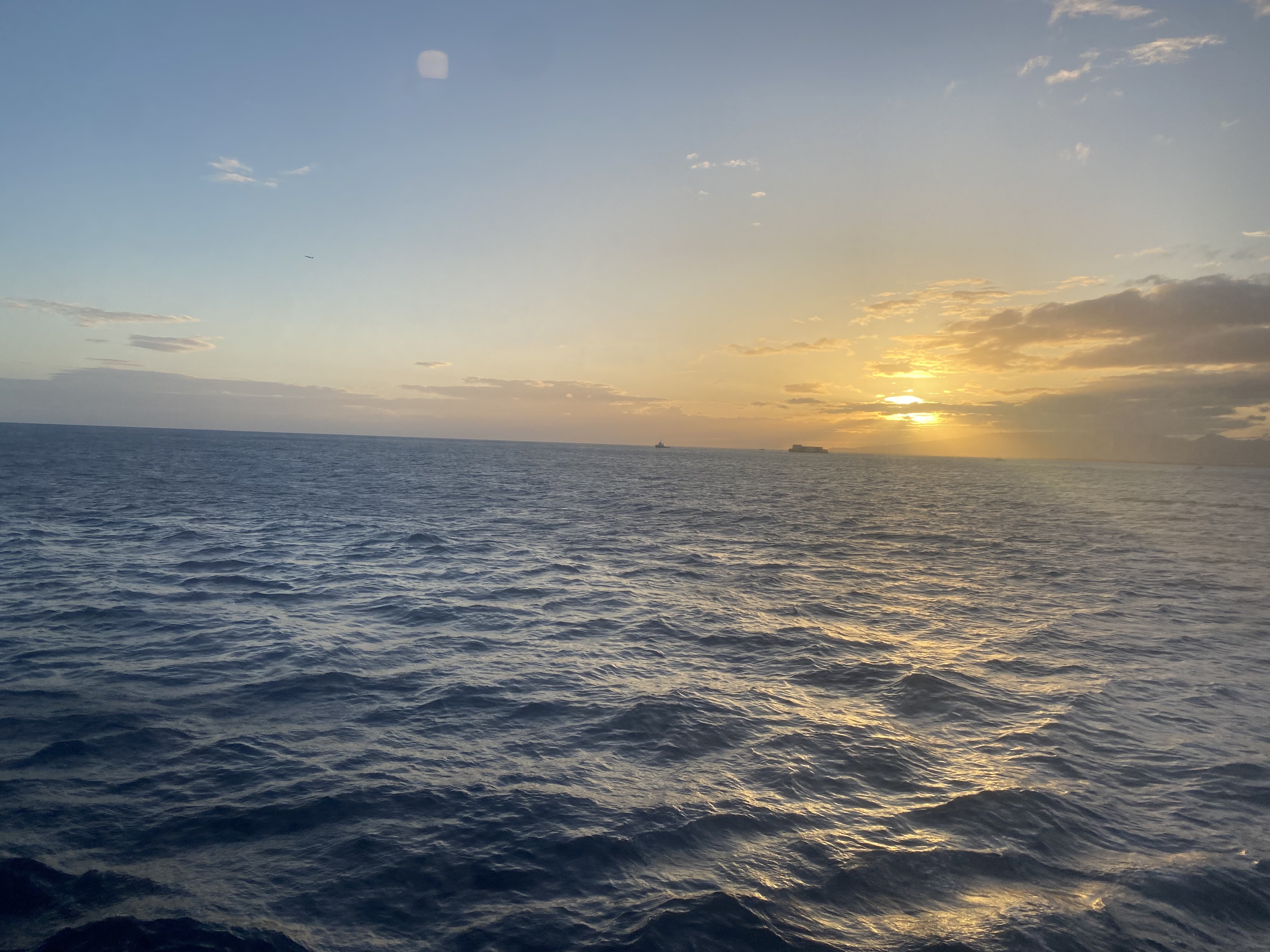
Heading out to the sea was, understandably, one of his biggest fears. To make matters even more intimidating, thunder rumbled out on the ocean on the night he set sail.
When Mafatu started paddling, he almost turned back – but then he recalled the voice of Kana (a boy who had teased him for fearing the ocean) saying, “Mafatu is a coward.”
Remembering this drove him to prove Kana — and everyone else he knew — wrong. Despite the anxiety he felt, he saw a bird, Kivi, circling the moonlit sky, and he chose to follow Kivi despite his fears.
He also performed several courageous acts during his journey. For instance, when his knife sank to the bottom of the ocean and he needed to get it back to fight off an octopus, he was afraid to go underwater to retrieve it. But then he remembered the long hours it took him to make the knife and the fact that Maui, the God of the Fishermen, must have sent the whale he came across earlier in his trip to die for his use to make the knife.
He then looked at Uri (his dog) and remembered the knife had saved his life too.
So, he took a deep breath and asked himself, “How could he abandon his knife? Would Maui? (the thought chilled him) still think him a coward? Was Mafatu still the Boy Who Was Afraid?”
Then, at last, he plunged into the ocean to retrieve the knife.
Although he felt incredible fear and doubt, he remembered why the knife was important and how it had saved his and Uri’s life. Remembering this helped him act courageously even though he was scared.
This illustrates that tapping into our inner strength is important; remembering our reasons for tackling our obstacles, as well as thinking of who and what we are fighting for, helps us accomplish what we need to do even if we are afraid or doubtful.
Lastly, Mafatu carried this grateful attitude with him by humbly acknowledging the support he received from others in pursuit of his goals, and this marks a milestone in his personal growth.
For instance, he thanked Maui for being there for him during scary moments (like facing the sea and wild animals) and he thanked Uri and Kivi for their companionship along the way.
By recognizing the help he received, Mafatu revealed a universal truth: that no one ever achieves anything alone. Recognizing this truth gave him the sense of security he needed to act boldly despite feeling scared.
We’re all interconnected, supported, and guided at all times – even if we feel alone, we have the power of divine oneness to turn to for support. When we acknowledge this truth, we realize it’s safe for us to channel our inner strength and act courageously — because we always have the universe’s support with us.
 Reflect and Nourish
Leave a comment